
Sleep, Habits and Drive: Getting It Back at 30-50.
Published · Reviewed · By Aditya Kumar Upadhyay
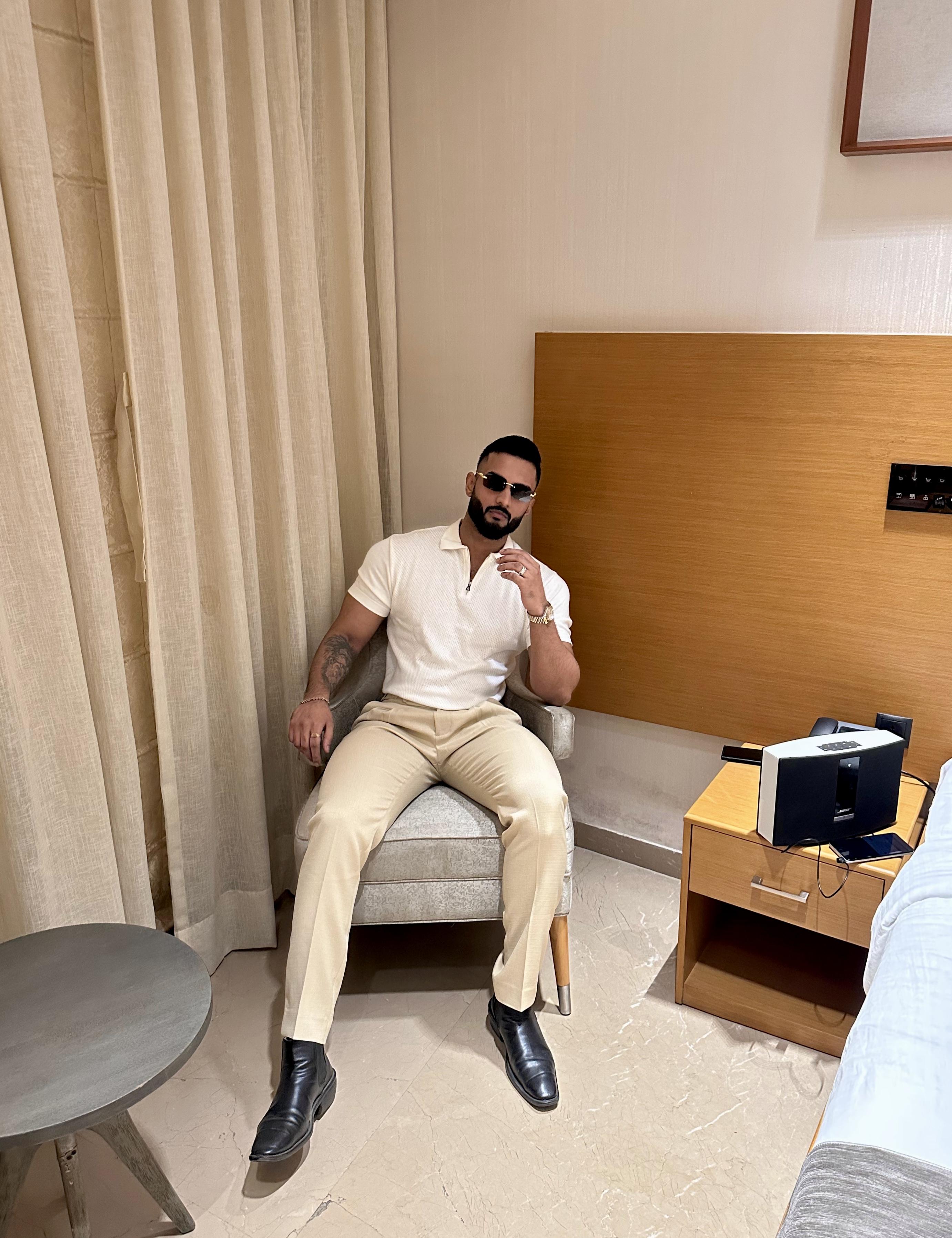
You did everything right. Built the career. Made the money. Provided. And somewhere in all of it, you lost yourself. The energy is gone. The drive is gone. You look in the mirror and don't recognize the man staring back. I've sat across from dozens of men just like you — successful on paper, running on empty in real life. Here's the good news: it comes back. Not with motivation. With sleep, habits and discipline, rebuilt in the right order. Let me show you how.
The man who has everything and feels nothing
You built the career. You made the money. But somewhere along the way you lost your health, your drive and your confidence.
I meet this man every week. Late thirties, mid forties. Respected at work. Reliable at home. And privately flat. The salary went up and the energy went down, and nobody around him can see it — because on paper, nothing is wrong.
That missing thing is always the same. Their health. Their drive. Their confidence. Their discipline.
Four things. Not one of them shows up on a bank statement. And all four of them are recoverable — if you rebuild them in the right order.
Why drive disappears at 30-50
Drive doesn't vanish overnight. It leaks out through five holes that most men never look at:
- Sleep debt. Ten years of six broken hours a night. Your hormones run on sleep — testosterone included. Starve the sleep and you starve the drive.
- Chronic stress. Not one bad week. A decade of deadlines, EMIs and responsibility with no release valve. Cortisol stays high, everything else stays low.
- Zero recovery. Even your weekends are errands. The body was never designed to run flat-out for twenty years without a pit stop.
- No daily structure.Your work is scheduled to the minute. Your life isn't. Random sleep, random meals, random everything — the body reads chaos and powers down.
- Cheap dopamine. The scroll, the late-night series, the third order-in of the week. Quick hits that spend the same currency real drive runs on.
Notice something. None of those are fixed by a gym membership. All of them are lifestyle. Which is exactly why we start there.
Sleep is the foundation — fix it first
If I could change only one thing in a tired man's life, it would be his sleep. Sleep is where testosterone is made, where stress is processed, where the day's damage gets repaired. Every other fix sits on top of it.
So we fix it first, and we fix it simply:
- A fixed sleep window — same time down, same time up, seven days a week. The body loves rhythm more than it loves duration.
- Screens off 30 minutes before bed. The phone charges outside the bedroom. Non-negotiable.
- Last coffee before 2 p.m. Caffeine at 6 p.m. is still in your blood at midnight.
- A dark, cool room. Boring advice. Works every single time.
This is the “lifestyle first” order I use with every client: fix how you live before you fix anything else. Sleep is layer one of layer one. Two weeks of a protected sleep window and most men feel a shift they haven't felt in years.
The daily habits that rebuild energy
Once sleep is protected, we stack four daytime habits on top of it. Small ones. Deliberately small.
- A fixed wake time. The anchor for everything — hunger, mood, focus. One decision, made once.
- Morning light and movement. Ten minutes outside before the first meeting. Daylight in your eyes, blood moving. This sets the clock that sets the day.
- Protein at every meal. Tired men eat like teenagers — carbs, sugar, repeat. Protein steadies the energy curve so the 4 p.m. crash stops running your afternoons.
- A screen cut-off at night. The same habit that protects your sleep also kills the biggest cheap-dopamine leak in your day. Two wins, one rule.
Small wins compound. A good night makes an easier morning. An easier morning makes a stronger day. A week of strong days and the mirror starts changing — before you've touched a diet or a dumbbell. I've put the full first layer into the free Lifestyle Blueprint Starter Edition — 10 changes, start tonight.
Discipline over motivation
Here is the part most men get backwards. You're waiting to feel motivated again before you start. You'll wait forever.
Motivation is a feeling. Discipline is a system. Feelings show up when they want to. Systems show up every day. Systems survive bad days.
You already know this — you've run your career on it for twenty years. You don't attend Monday's meeting because you feel inspired. You attend because it's in the calendar. Your health gets rebuilt the same way: a fixed wake time, a protected sleep window, a ten-minute walk — in the calendar, not in the mood. Do the system long enough and the motivation you were waiting for shows up anyway. It follows action. It never leads it.
A 30-day reset framework
Thirty days. One layer per week. Nothing added until the layer under it holds.
- Week 1 — Sleep window. Fixed bedtime, fixed wake time, screens off 30 minutes before bed. This week you change nothing else. Let the foundation set.
- Week 2 — Morning anchor. Ten minutes of daylight and movement before the day grabs you. Same time, every day. Your body starts expecting it — that expectation is energy.
- Week 3 — Movement. A daily walk, a short strength session at home, movement after your biggest meal. Not a gym program. Just a body that moves every day again.
- Week 4 — Accountability.Tell one person your system. Better: have one person check it. A plan nobody watches is a plan you'll quietly drop. This is half of what coaching is.
Thirty days in, you haven't dieted, haven't bought a supplement, haven't signed up for anything extreme. And you're sleeping, moving and thinking like a different man. Now the deeper layers — nutrition, training, the finer work — finally have something to stand on.
The drive you had at 25 isn't gone. It's buried — under a decade of bad sleep, no structure and running on empty for everyone else. It comes back. Not with motivation, not with a miracle plan. With sleep, habits and discipline, rebuilt in the right order.
Every man I've coached says a version of the same thing afterwards: the decision to change was the hardest part. Everything else followed.
Make the decision. I'll show you the order.